
After more than a decade working in the video game industry—first as a gameplay tester and eventually moving into design—I’ve spent countless hours thinking about the role gaming plays in everyday life. I’ve seen firsthand how games can bring people joy, build communities, and even relieve stress after long workdays. But I’ve also learned that the real key is balance. If you’re curious about how gaming can fit into a healthy lifestyle, you can learn more about practical ways people integrate gaming with other interests.
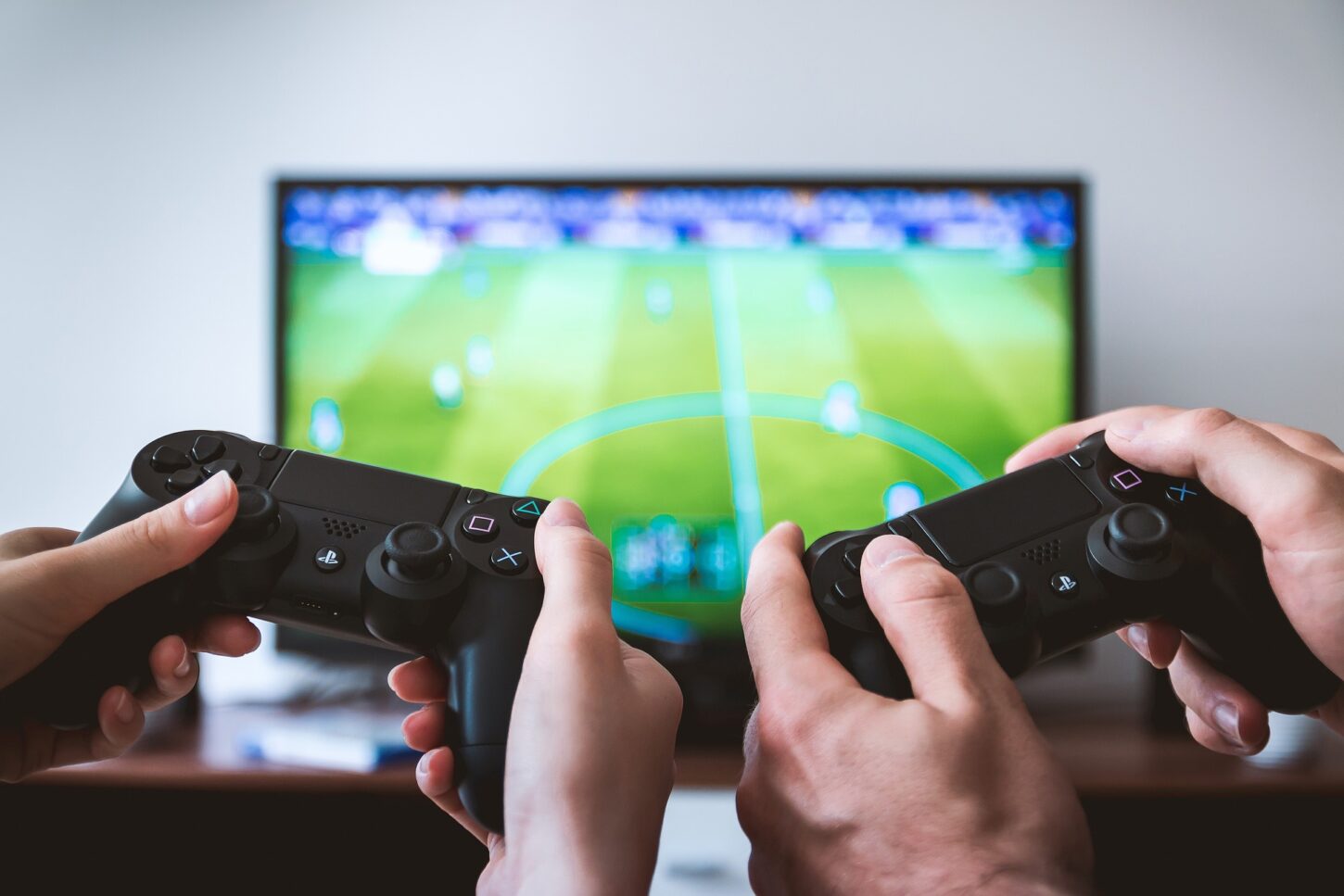
Early in my career, I worked at a mid-sized studio where long evenings testing builds were normal. After ten or twelve hours reviewing mechanics and reporting bugs, the last thing I wanted to do was look at another screen. But interestingly, a few months into that job, I discovered that casual gaming outside of work—something completely different from what I was testing—actually helped me unwind. Instead of competitive shooters or technical testing environments, I started playing slow-paced story games. That small shift helped me separate “work gaming” from “personal gaming,” and it made a big difference in how I managed stress.
One situation I often think about happened with a friend of mine who had just gotten into gaming during a particularly demanding period at his job. He was working long hours and started playing late into the night as a way to decompress. Within a few weeks, though, he was sleeping poorly and feeling drained during the day. We talked about it over coffee, and I suggested a simple adjustment: limit gaming sessions to a set window and treat them like any other hobby. He started playing for about an hour in the evening and leaving weekends open for other activities. The change was surprisingly effective. He still enjoyed gaming, but it no longer interfered with the rest of his routine.
That experience reinforced something I’ve seen repeatedly both personally and professionally: gaming works best as part of a broader lifestyle rather than the center of it. As someone who has worked with gamers for years—developers, testers, and players alike—I’ve noticed that people who maintain multiple hobbies tend to enjoy games longer. When gaming is the only outlet for relaxation, burnout can happen faster than most people expect.
Another example came from a community event I helped organize for a small indie studio. We invited players to test an early build of a puzzle-adventure game. What stood out wasn’t just their feedback on mechanics—it was the conversations afterward. Several players mentioned that gaming was something they did alongside other creative hobbies like drawing or music. One participant told me he often played a puzzle game for half an hour, then switched to practicing guitar. That rhythm kept both hobbies feeling fresh.
In my own routine, I’ve learned to treat gaming the same way I treat reading or exercising. Some nights I play for a while; other nights I don’t touch a controller at all. That flexibility keeps gaming enjoyable rather than obligatory. I’ve also become more selective about the types of games I spend time with. Instead of chasing every new release, I focus on titles that genuinely interest me—often narrative-driven or cooperative experiences that I can share with friends.
After years in the industry, I still believe video games are one of the most creative forms of entertainment we have. They can tell powerful stories, challenge the mind, and connect people across the world. But like any hobby, their real value appears when they fit naturally into a balanced life rather than crowding everything else out.